
Indications for orthopaedic rehabilitation
- Bone fractures
- Bruising
- To get strong before surgery
- To rehabilitate after surgery
- In case of doubt, to obtain more information
More about orthopaedic rehabilitation
Orthopaedic rehabilitation is suitable for patients who have undergone an orthopaedic procedure in hospital. It can also occur that no surgery has taken place but an orthopaedic surgeon refers you directly to the physiotherapist. Common orthopaedic procedures include hip and knee operations such as a total hip replacement, knee replacement, anterior cruciate ligament repair, meniscus surgery or arthroscopy.
Orthopaedic rehabilitation also includes therapy after trauma resulting from an accident — for example bone fractures, ankle or knee injuries, or shoulder or elbow complaints. The rehabilitation period starts immediately after discharge from hospital or following a specialist referral. After surgery it is important to regain mobility and stability in a responsible way as soon as possible after the operation or cast period.
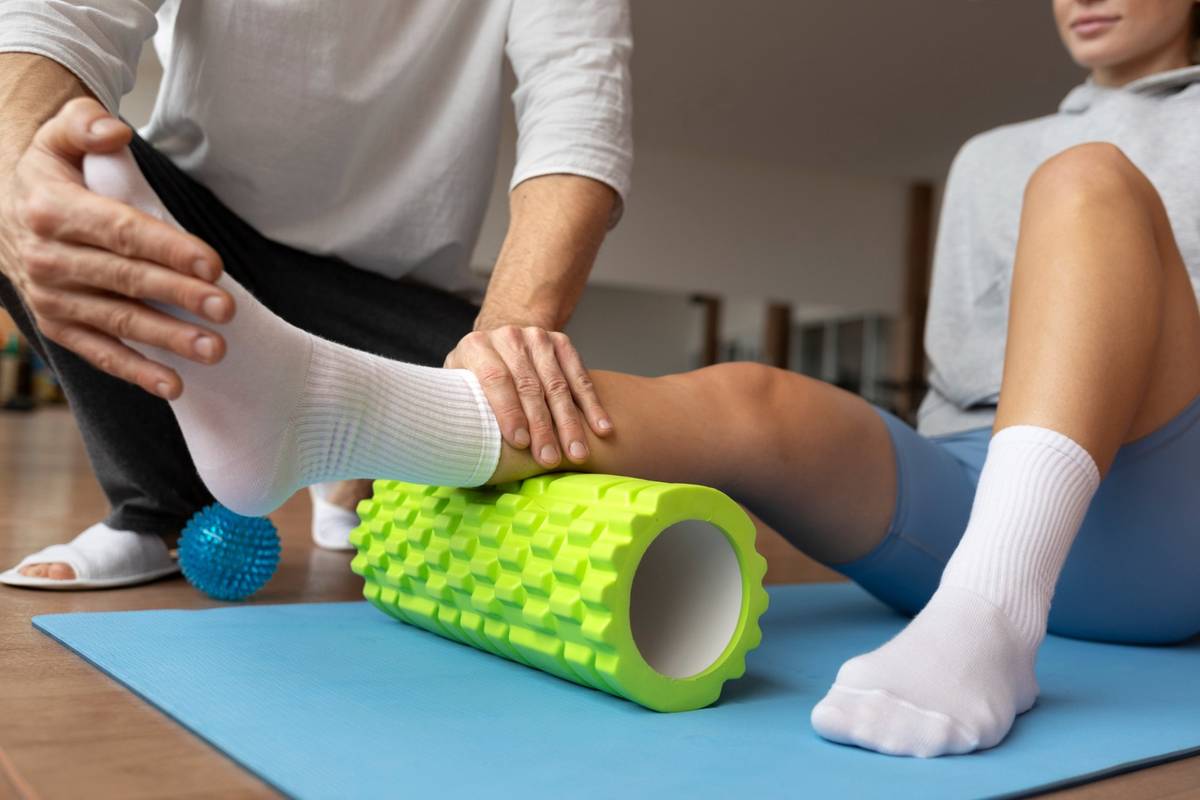
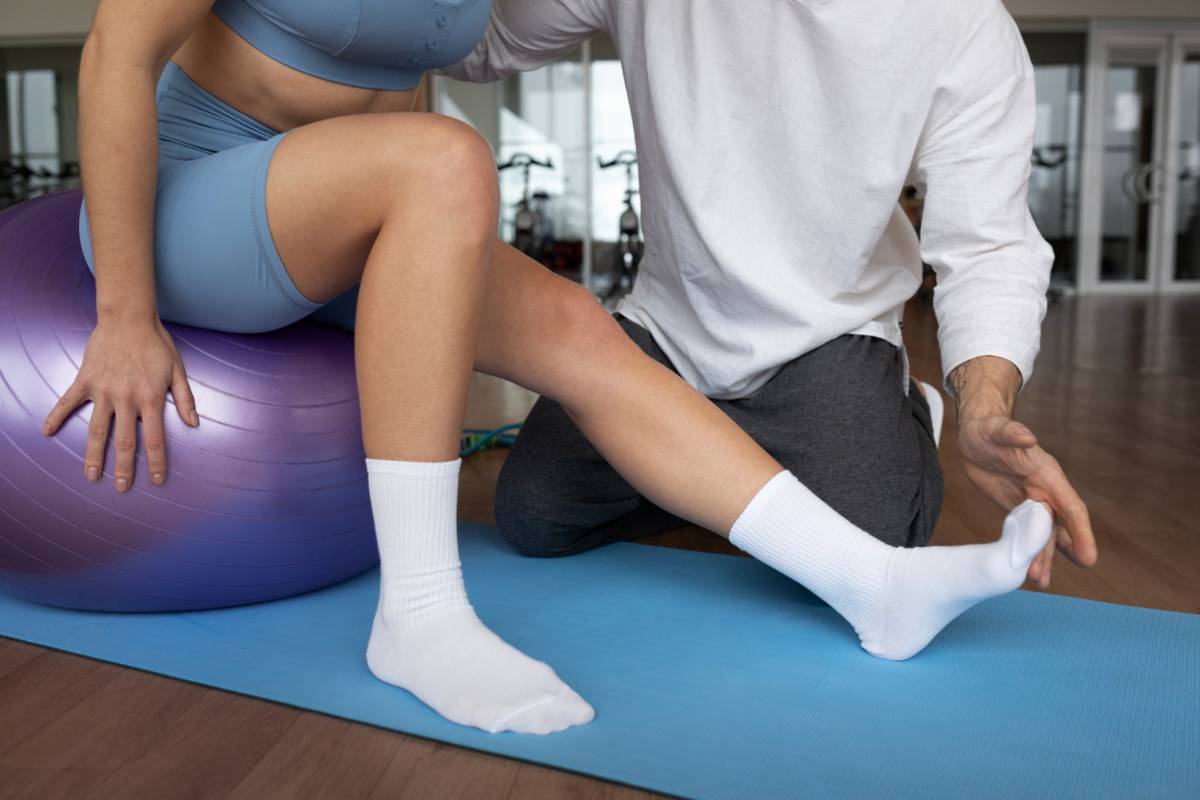
The aim of orthopaedic rehabilitation is to improve the mobility of a bone or joint, reduce pain, increase load tolerance, coordination and endurance, and strengthen muscle. Together with you we create a treatment plan according to the relevant guidelines and protocol.
What does an orthopaedic rehabilitation session involve?
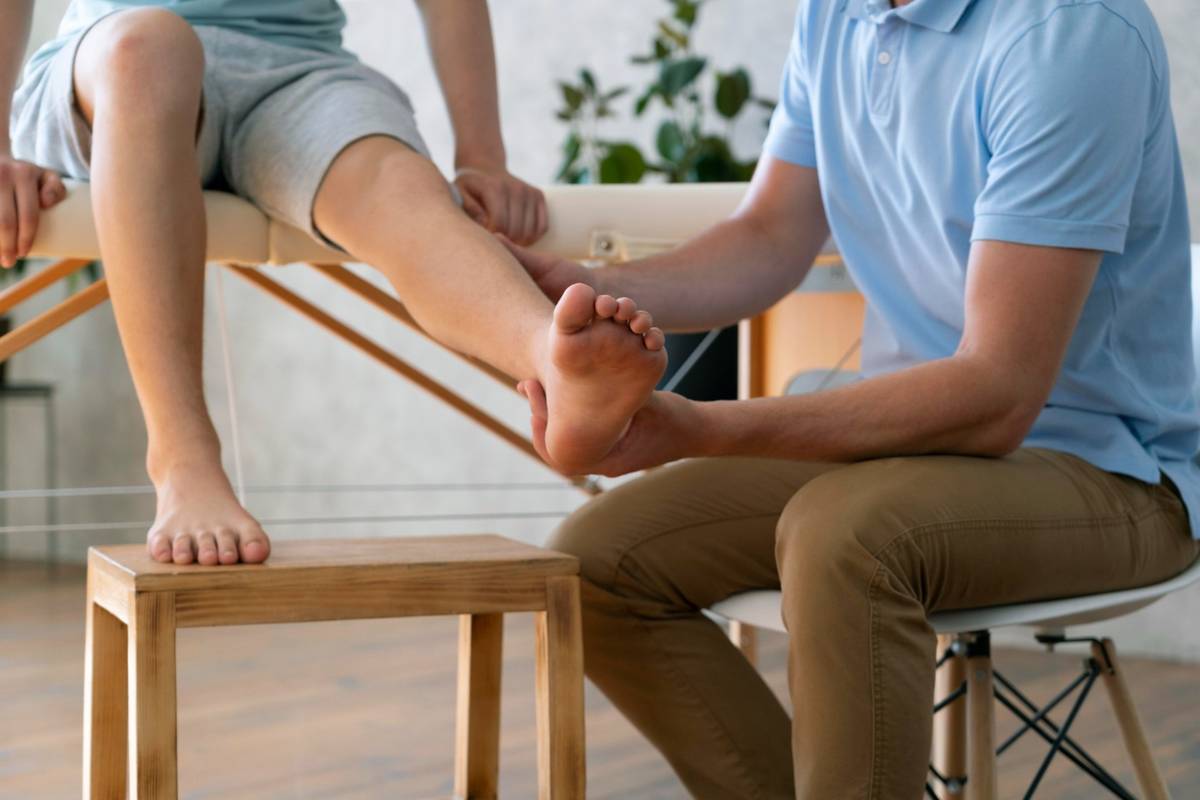
Treatment starts with you signing up, with or without a doctor’s referral. An extensive intake conversation follows. During this you are asked questions, a physical examination is performed and questionnaires may be filled in (in the practice or at home). A treatment plan is then drawn up together with you that includes your end goal and various sub-goals.
Treatment takes place in a treatment room, the exercise room and/or outdoors, depending on the nature and stage of rehabilitation. Alongside in-practice treatment you usually receive a training schedule or guidelines to follow at home.
The majority of treatment consists of functional exercise therapy. Local and general load tolerance is increased and the functions you need in daily life, work and sport are restored. Treatment follows established protocols. A digital patient tracking system makes treatment progress visible, so we can assess whether the agreed treatment goals have been achieved.
After a number of sessions an interim evaluation takes place in which you and our physiotherapists assess progress and adjust treatment if needed.
Finally, rehabilitation is concluded with a final evaluation and often a closing report to the GP or referring doctor.
Frequently asked questions about orthopaedic rehabilitation
Have another question? We are happy to help!