
Oedema Therapy
The lymph nodes lie close to the organs and contain the body’s cleaners — the white blood cells. A disturbed balance between fluid supply and drainage causes an abnormal build-up of fluid in the tissue, known as oedema.
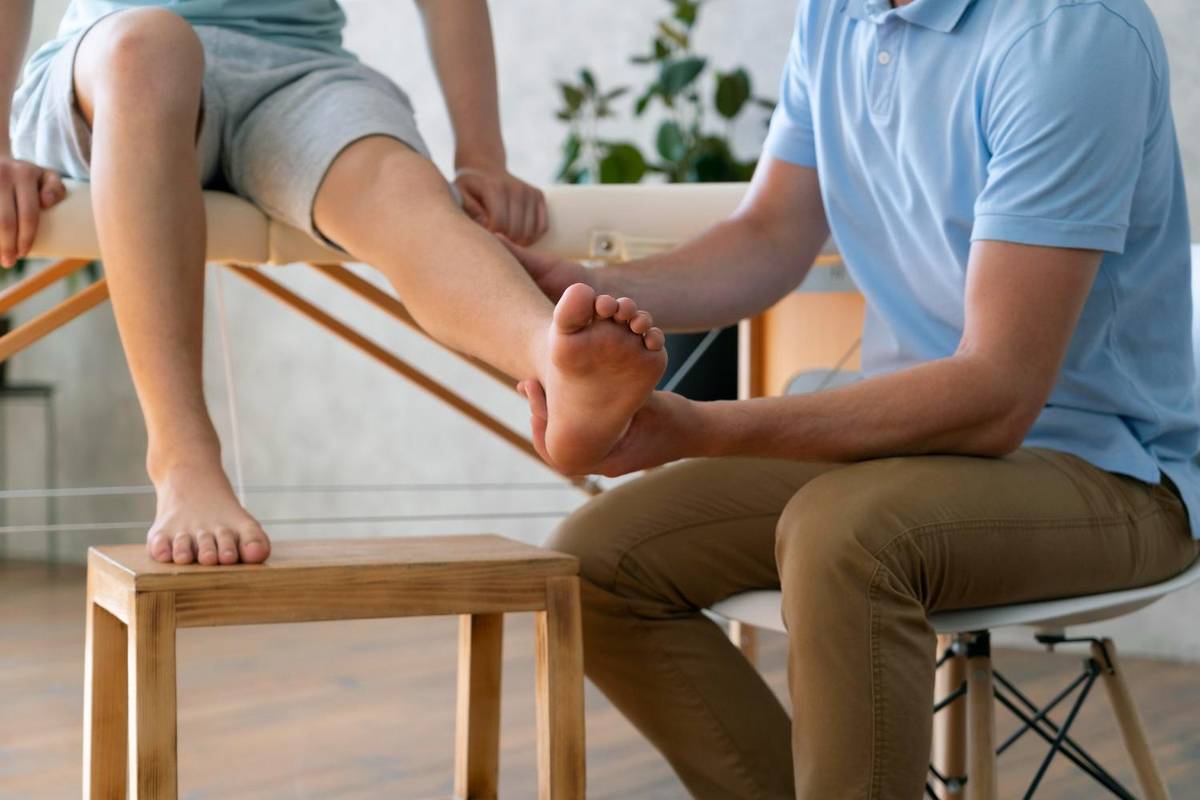
Indications for oedema therapy
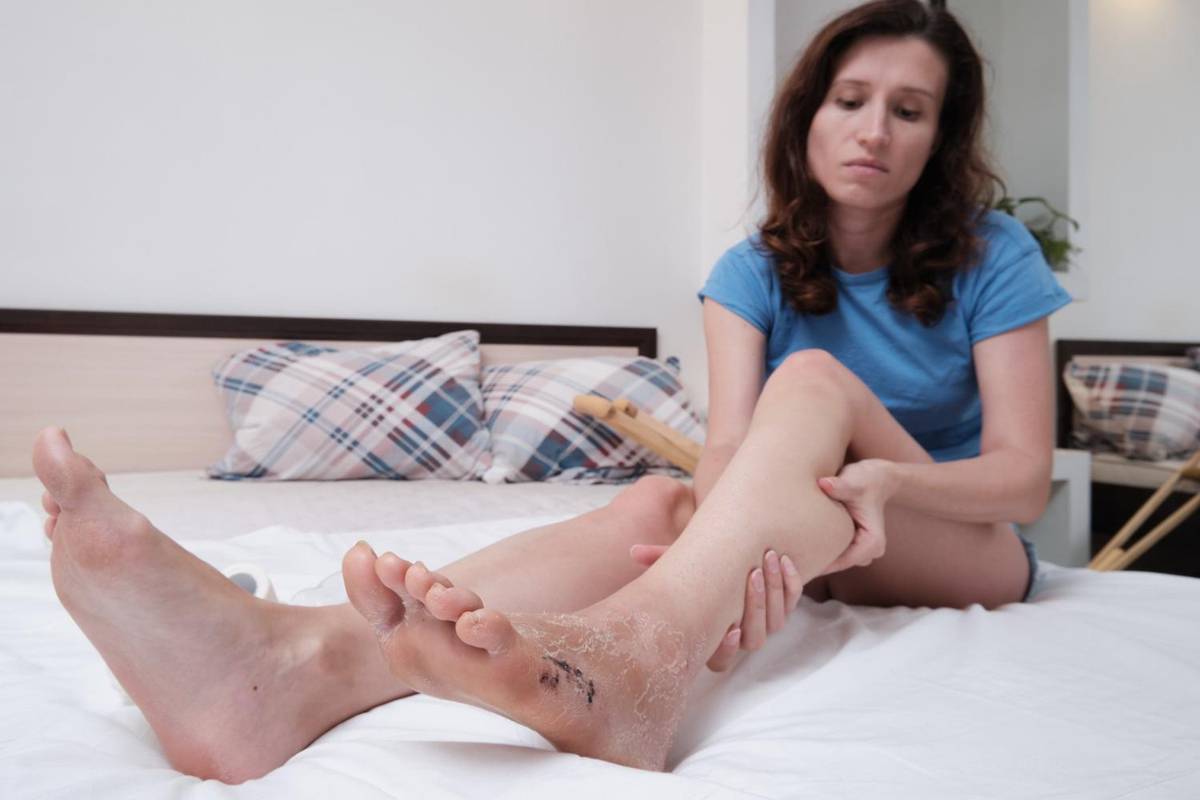
Lymphoedema is usually easy to recognise. Lymphoedema involves swelling — a build-up of fluid in the skin and underlying tissues. Alongside the swelling there can be a heavy or tired feeling in the arm or leg, or a feeling of tightness around the wrist, fingers, ankles, elbow or knees. In some cases these complaints come with pain. Lymphoedema causes complaints in daily life and can lead to infections (erysipelas), joint complaints and skin complaints.
- Cancer in early, middle or end stages
- After lymph node surgery or when oedema has developed during other surgery
- For recognisable complaints in your arm, leg or elsewhere in the body
More about oedema
Problems in the lymphatic system can be congenital (primary lymphoedema), but lymphoedema usually occurs after serious damage to the lymph vessels or lymph nodes (secondary lymphoedema). Causes of secondary lymphoedema can include surgery, radiotherapy, trauma, infection or insect bites. When the lymphatic system is damaged, excess lymph fluid develops and is no longer properly drained. The lymphatic system can no longer cope because its capacity is reduced. Fluid then accumulates — this is oedema.
What does an oedema therapy session look like?
Manual lymph drainage
Manual lymph drainage is a massage in which mild pressure is applied to the lymph pathways. This treatment stimulates lymph flow, leading to better lymph drainage and reduced swelling.
Lymph taping
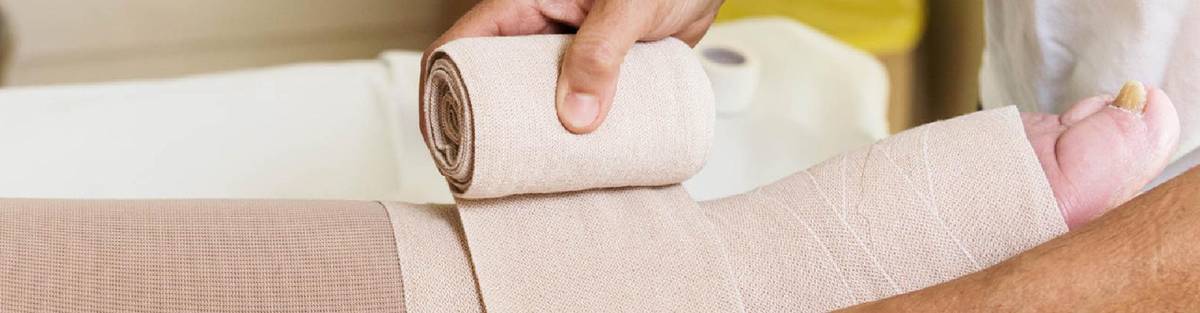
Lymph taping can be used for continuous drainage of early-stage oedema. If the oedema has progressed further, compression therapy is recommended — initially with bandages and later with a fitted compression stocking.
Compression therapy
Compression therapy is almost always part of the treatment. After lymph drainage, the reduction in oedema needs to be maintained. This is done with bandages or a compression stocking. Mobilising and breathing exercises are also given, and lymph tape is sometimes applied.
Frequently asked questions about oedema therapy
Have another question? We are happy to help!