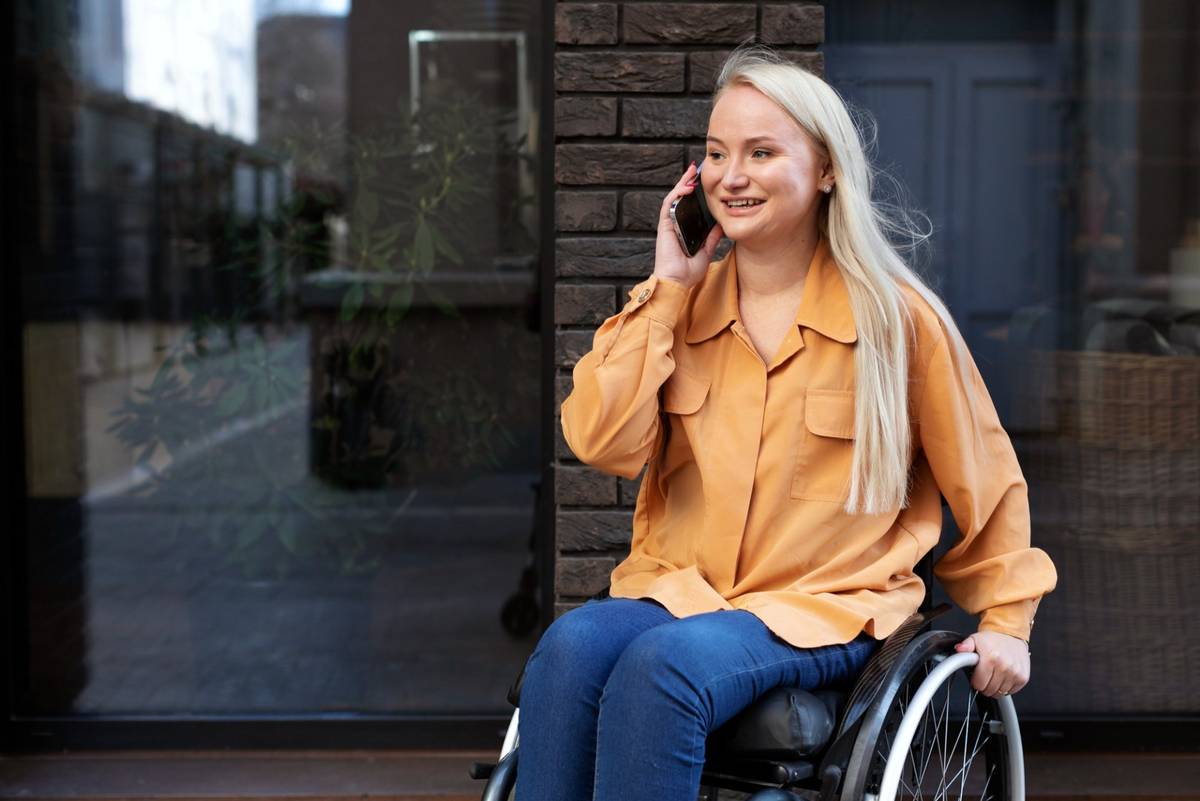
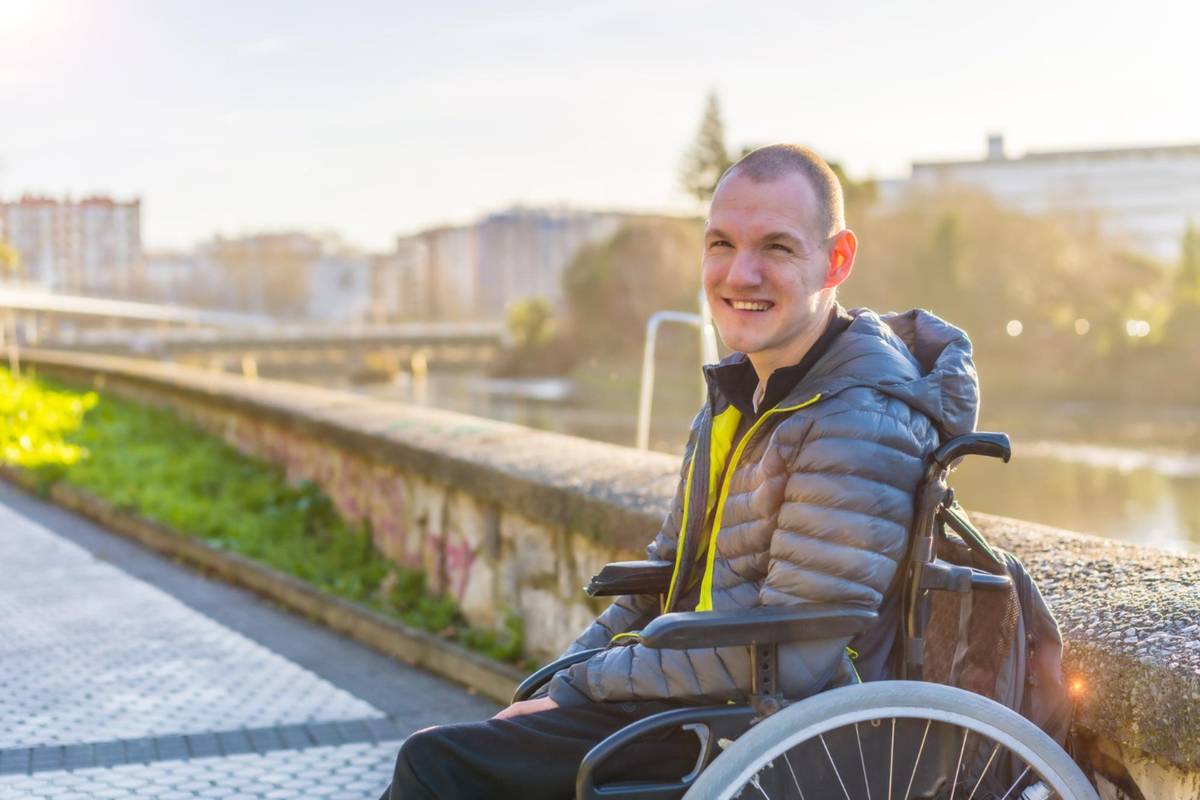
Person in a wheelchair due to acquired brain injury
Brain injury that has developed after birth — for example through an accident.
Indications for acquired brain injury
- Brain damage due to traumatic brain injury (such as a fall, collision or blow to the head).
- Non-traumatic brain injury caused by processes in the body (such as a stroke or brain haemorrhage).
- Symptoms of infections of the brain or meninges (encephalitis, meningitis).
- Consequences of oxygen deprivation to the brain (for example due to cardiac arrest or near-drowning).
- Presence of degenerative diseases such as Multiple Sclerosis, Parkinson's, Alzheimer's or Huntington's disease.
- Difficulties with independent living and functioning after brain injury.
- Difficulty with daily activities as a result of brain injury.
- A need for multidisciplinary care (physiotherapy, occupational therapy, speech therapy, dietetics) in the home setting.
More about acquired brain injury
Fysiotherapie Douma is strongly connected with the patient category of acquired brain injury. Acquired brain injury (ABI) means that brain damage has developed during the patient’s life. This brain injury can be classified into two categories: traumatic brain injury and non-traumatic brain injury. There is also congenital brain injury — damage to the brain that has developed around or after birth, such as oxygen deprivation or infection.

Traumatic brain injury
Without skull injury
- (Traffic) accident
- Fall
- Heavy object against the head
- Blow to the head
- Shaken baby syndrome.
With skull injury
- Bone fragments penetrating due to a skull fracture
- Penetration by an object such as a bullet, stab weapon or iron object.
- Non-traumatic brain injury: caused by a process in the body.
Non-traumatic brain injury
- Stroke / Cerebrovascular Accident (CVA): cerebral infarction (blood vessel blockage) or brain haemorrhage
- Brain infection (encephalitis)
- Meningeal infection (meningitis)
- Tumour
- Poisoning / intoxication (drugs, alcohol)
- Oxygen deprivation (hypoxia/anoxia), for example due to cardiac arrest, near-drowning, airway obstruction or smoke inhalation
- Epilepsy
- Hydrocephalus
- Metabolic disorders.
Degenerative diseases
The degenerative diseases below can also be classified as ABI, but are usually not included under ABI in healthcare because their treatment, care and consequences differ greatly from other forms of acquired brain injury.
Fysiotherapie Douma Hilversum does treat these degenerative conditions!
- Multiple Sclerosis
- Parkinson's disease
- Alzheimer's disease
- Huntington's disease.
Independent living with acquired brain injury
After brain damage, living independently at home is often no longer a given — problems often arise in daily life and in the home situation. Fysiotherapie Douma works together in PECG with Occupational Therapy, Speech Therapy and Dietetics as a multidisciplinary team in the home setting for patients with acquired brain injury. Together they offer solutions and aim to enable the client to stay at home as long as possible.