

Manual Therapy in Hilversum
The aim of manual therapy is to improve joint function on the one hand and posture and movement on the other. The manual therapist uses a number of specific techniques applied to the joints to achieve this.
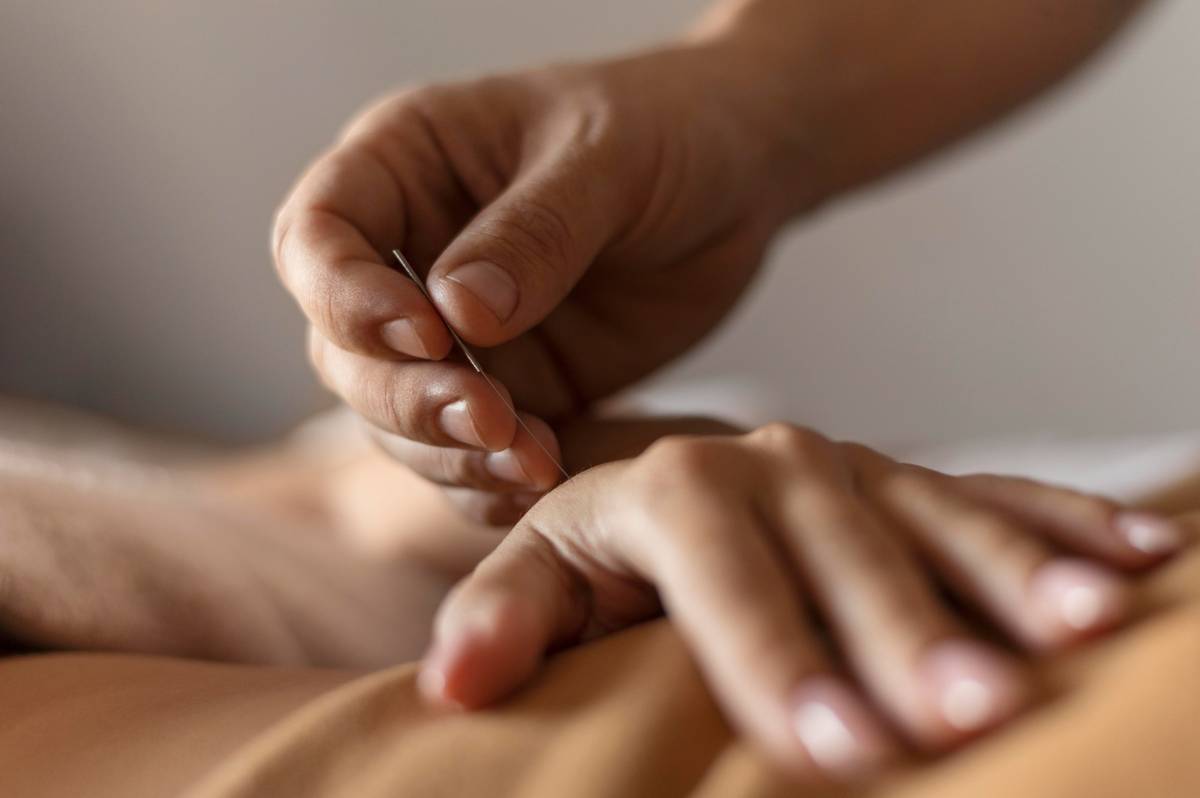
When is manual therapy indicated?
Do you experience any of these complaints?
- Headache and neck pain
- Back pain
- Neck and shoulder complaints with radiation
- Upper back complaints with rib and chest pain
- Hernia
- Pelvic pain
- Joint pain such as shoulder pain, tennis elbow, knee complaints
- Pain radiating from back to leg
- Certain forms of dizziness
- Pain in the chest or armpit
- Jaw complaints, possibly combined with neck complaints
More about manual therapy
The effects of manual therapy are often immediately noticeable: you feel an improvement in range of motion and a reduction in pain. The treatment programme also includes clear instructions, advice, guidance and insight into healthy movement.
A manual therapist is a physiotherapist who has completed additional training in manual therapy after their physiotherapy degree. This gives them extra knowledge of the body’s movement possibilities, particularly the spine. Thanks to this specialised training, the manual therapist is well placed to assess the cause of your complaints and propose a tailored solution for every body.
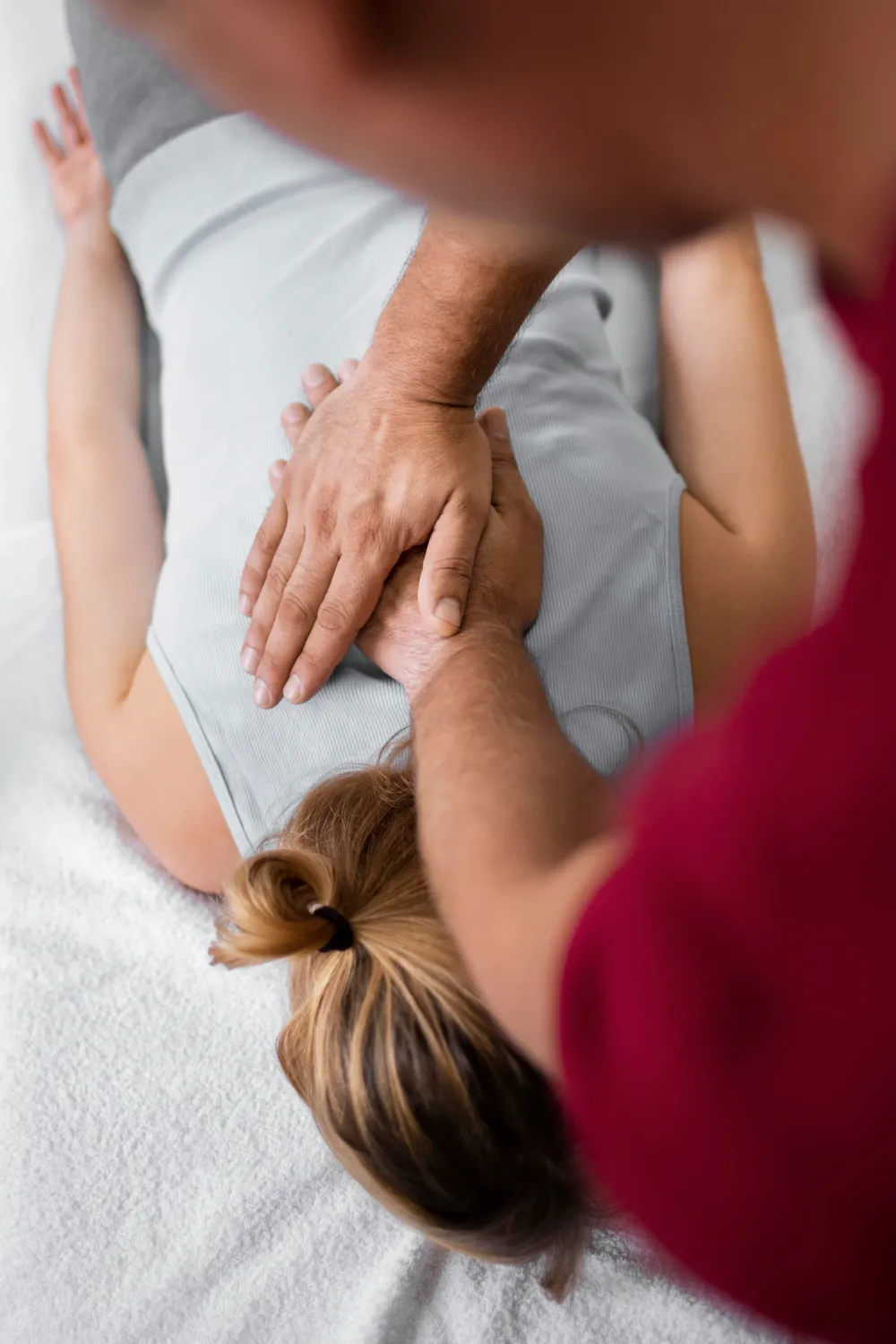
How Fysiotherapie Douma in Hilversum can help with manual therapy
Manual therapy intake
After an initial screening the first appointment consists of two parts: a conversation and a physical examination. During the conversation the manual therapist asks about your complaints — for example how they started and when they get better or worse. A physical examination follows in which posture and movement are assessed and the joints are examined. This identifies the causes of the complaints. Together with the patient the manual therapist decides whether manual therapy is appropriate. If so, an approach for further treatment is discussed. After the first appointment you therefore know exactly what to expect.
Manual therapy treatment
During the first session the manual therapist takes a detailed history and performs a physical examination. Based on this, a treatment plan is drawn up and a prognosis given. Whether manual therapy can resolve your complaint becomes clear during the first session and also depends on your own commitment.
The manual therapist uses a number of specific techniques applied to the joints to improve joint function and the body’s posture and movement. The effects are often immediately noticeable: improved range of motion and less pain. The treatment also includes clear instructions, advice, guidance and insight into healthy movement.
Manual therapy takes place in a dedicated treatment room, so in most cases not at the patient’s home. Good manual therapy requires a specific treatment space and equipment. Only in very exceptional circumstances, at the explicit request of a GP or medical specialist, can this differ — and then only for a diagnostic consultation.
Manual therapist training
SOMT method training
After an initial screening the first appointment consists of two parts: a conversation and a physical examination. During the conversation the manual therapist asks about your complaints — for example how they started and when they get better or worse. A physical examination follows in which posture and movement are assessed and the joints are examined. This identifies the causes of the complaints.
Van der Bijl method training
Manual therapy according to Van der Bijl does not start from a complaints analysis but from a movement analysis. It focuses less on pain and more on which movements aren’t working. This method searches for the ideal way of moving for the patient.
Frequently asked questions about manual therapy
Have another question? We are happy to help!