
Physiotherapy in Hilversum
Looking for a reliable physiotherapist in Hilversum? Fysiotherapie Douma is here to help. Our therapists guide you with enthusiasm and personal attention.

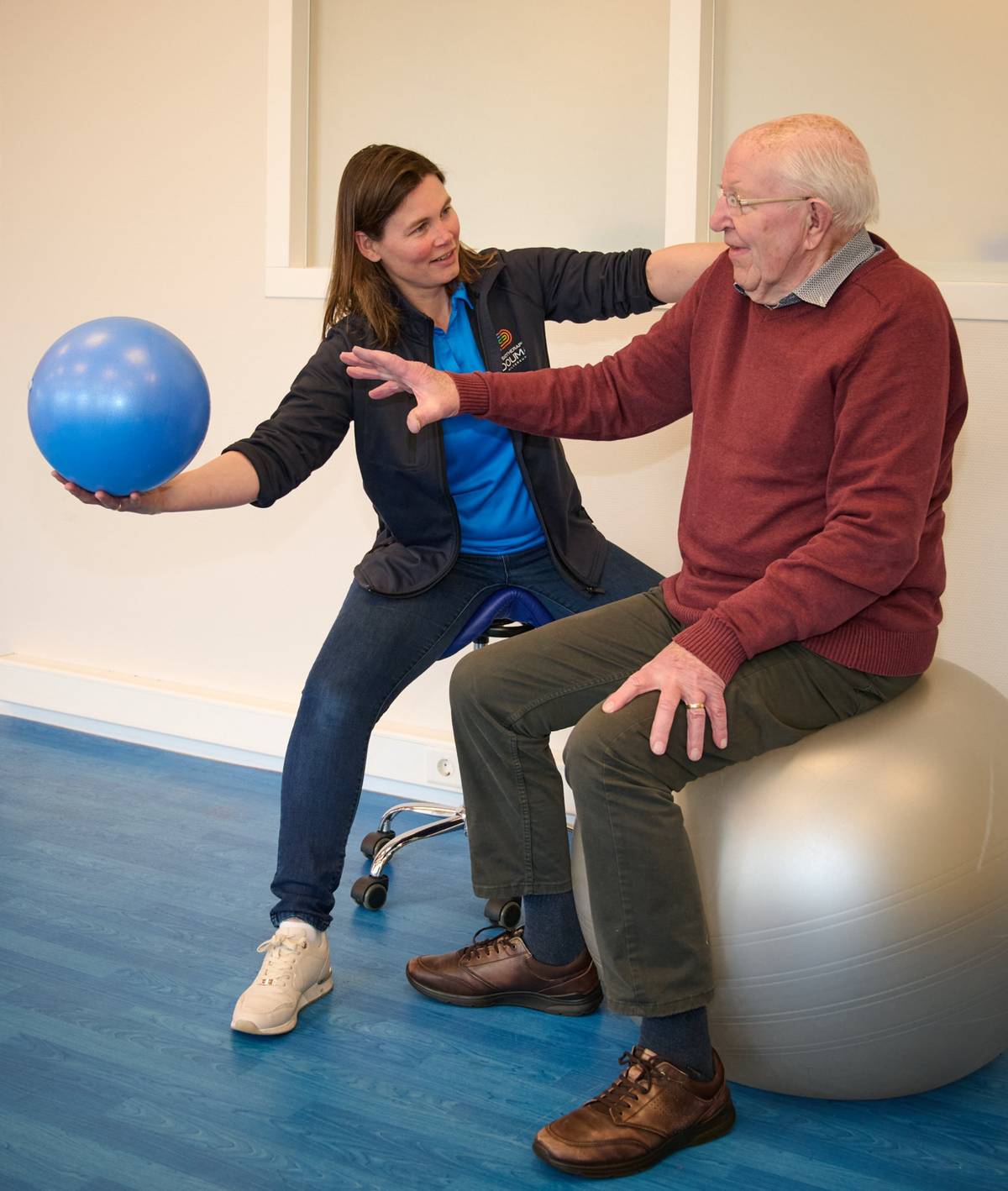
Indications for physiotherapy
- Pain, stiffness or reduced function of (part of) the body.
- Movement-related complaints that don't resolve on their own.
- A need for treatment of the musculoskeletal system.
- Preventing recurring complaints or worsening of existing complaints.
- Support in actively working on recovery through exercise therapy.
- A need for treatments such as massage, manual therapy, medical taping or dry needling.
- Advice and adjustments to daily activities, work or sport to reduce complaints.
- Reduced mobility due to muscle, joint, bone or nerve problems.
What does a physiotherapy session involve?
Intake and examination at the physiotherapist
A session usually takes around 25 minutes — sometimes shorter or longer. During the first appointment the physiotherapist maps out all your complaints. A physical examination follows. A treatment plan is then drawn up in consultation with the patient. If necessary, the physiotherapist contacts the GP or specialist during the course of treatment — for example when there is insufficient medical information available, or in the event of complications. The number of sessions depends on the complaint and its severity.
Alongside treating complaints, the physiotherapist also pays close attention to preventing patients from having the same problem again. This can be done through exercises that the patient performs at home, or through adjustments that reduce the load during daily life, work or sport. Physiotherapy is focused on preventing, healing and/or reducing complaints and conditions of the musculoskeletal system.
Physiotherapy treatment in Hilversum
A core principle of physiotherapy treatment is that the patient actively works on their own recovery. Patients usually receive an exercise programme along with information about what each exercise is for.
During treatment the physiotherapist can use, among other things, massage therapy, manual therapy, movement therapy (exercise therapy), targeted information and mental support. As soon as the complaint allows, it is time for action: actively working on your own recovery, actively exercising and actively adapting your home or work situation to the complaint.
Every patient is different. We therefore look at each person individually to decide which treatment method is preferable. Several options exist. The most common therapies are:
- Exercise therapy
- Massage
- Physical therapy
- Dry needling
More about physiotherapy practices in Hilversum
We have several physiotherapy practices in Hilversum, so there is always a physiotherapist nearby. Our physiotherapists guide you with enthusiasm and personal attention. You can choose where you would like to be treated.
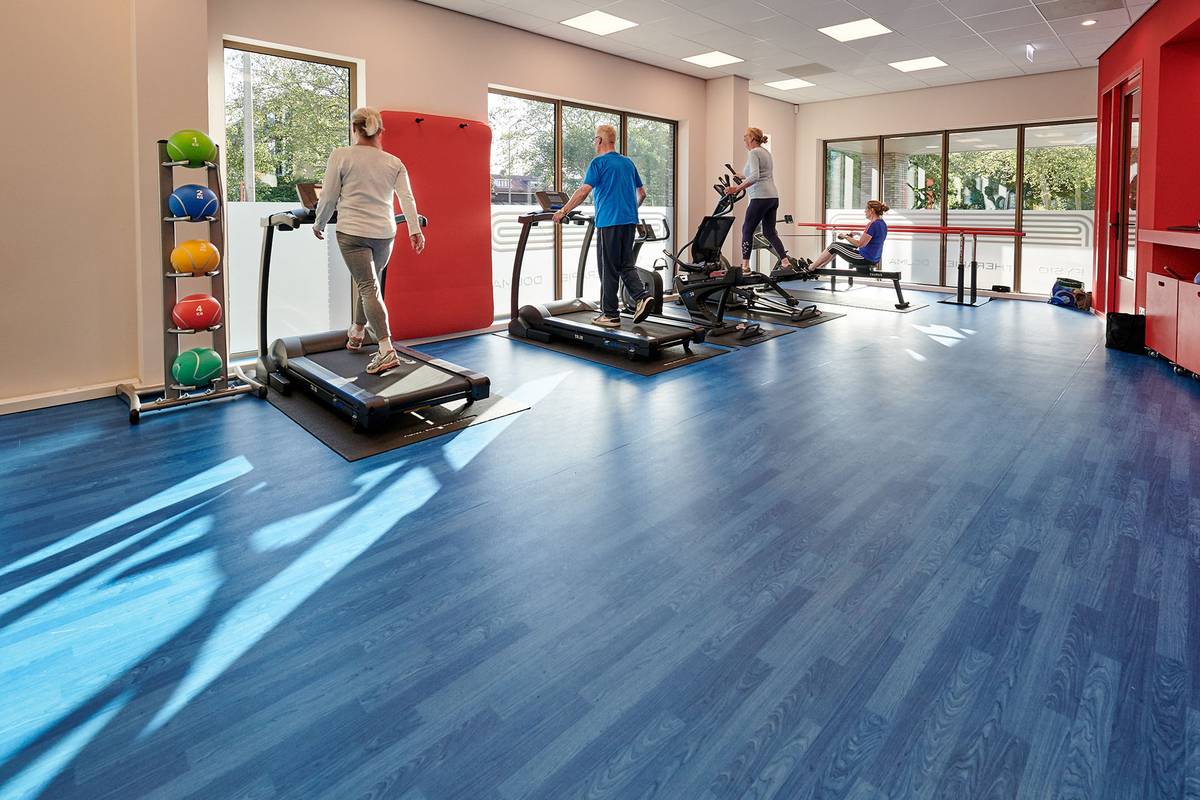
General information about physiotherapy
Almost everyone deals with pain, stiffness or reduced function of (part of) the body at some point in life. In many cases the body recovers on its own within days or weeks, and you can return to the level of functioning you were used to. When the pain or complaint persists and the body cannot resolve it on its own, it can be helpful to give the body a nudge in the right direction. Physiotherapy can provide that nudge and, together with you, ensure that the body functions as optimally as possible again.
The physiotherapist can treat many musculoskeletal complaints. Physiotherapy is a form of treatment focused on the way the human body moves. The human body comprises muscles, joints, bones and the nervous system. We rely on it every day. Movement often feels self-evident — until something goes wrong, and you realise it isn’t. When the body isn’t cooperating, the physiotherapist is there. You can come to us for treatment of complaints, but also to prevent (worse) complaints.
Many studies have been conducted over the years on physiotherapy and the human body, particularly on diagnosing complaints and the best possible way to treat them. The training level of the Dutch physiotherapist is internationally considered exceptionally high. You can therefore be confident that your therapist will provide the best treatment available.
The physiotherapy care process can be divided into six stages:
- Patient registration following GP referral or via direct access (since 2005 you can also come to us without visiting your GP first)
- Taking the physiotherapy history and conducting the physiotherapy examination
- Drawing a conclusion and deciding whether or not to treat (a consultation)
- Treatment
- Evaluation
- Closing the treatment episode
Frequently asked questions about physiotherapy
Have another question? We are happy to help!