Physiotherapy for recovery after coronavirus
A coronavirus (COVID-19) infection can have a major impact on your health. After a hospital stay it is important to start physiotherapy as soon as possible. Even if you weren’t admitted to hospital, physiotherapy guidance can be necessary because you’ve been inactive for a long period.
Indications for long COVID treatment
- Problems with lung function
- Pulmonary fibrosis (reduced lung tissue function)
- Reduced lung capacity
- Reduced respiratory muscle strength
- Muscle weakness from prolonged inactivity or polyneuropathy
- Reduced endurance
- Joint pain and/or stiffness
- General feeling of fatigue
- Difficulty performing daily activities (ADL)
- Malnutrition
- Problems with memory, concentration and dealing with stimuli
- Depression and/or anxiety
- Post-traumatic stress disorder (PTSD)
Physiotherapy after Intensive Care (PICS)
If you’ve been seriously ill due to coronavirus, you need intensive rehabilitation after hospital and/or ICU admission. Initially this often takes place in a rehabilitation centre, but in the period afterwards you still need to work on your recovery for a long time.
More about physiotherapy after coronavirus
If you’ve been on a ventilator in the Intensive Care Unit for a long time, there’s a good chance you’ll experience multiple complaints. This combination of specific symptoms after ICU admission is called Post-Intensive Care Syndrome (PICS). The longer you’ve been sedated in the ICU, the more severe your PICS symptoms. Pre-existing complaints also influence severity. PICS recovery can take months to years, and proper guidance from a specialised physiotherapist, occupational therapist and where appropriate a dietitian is essential.
What does post-coronavirus physiotherapy look like?
Physiotherapy after an ICU admission is usually long-term — anywhere from a few months to over a year. Throughout the treatment process we are in contact with your treating doctor (GP, hospital specialist or rehabilitation physician). We also work closely with other disciplines including an occupational therapist, dietitian, speech therapist, psychologist and social worker.
During the intake we look together with you and your family at what challenges you face after hospital admission. These can be physical or psychological. Because of the wide variety of consequences after an ICU admission, every patient gets an individual approach. We put you, the patient, at the centre and work according to the positive health model.
In addition to an extensive intake conversation, several measurements and tests are performed. We look at:
- Perceived health
- Muscle strength
- Fitness (endurance)
- Daily activity (ADL) function
- Respiratory muscle strength
Based on the intake and the test scores we draw up a tailored rehabilitation programme for you.
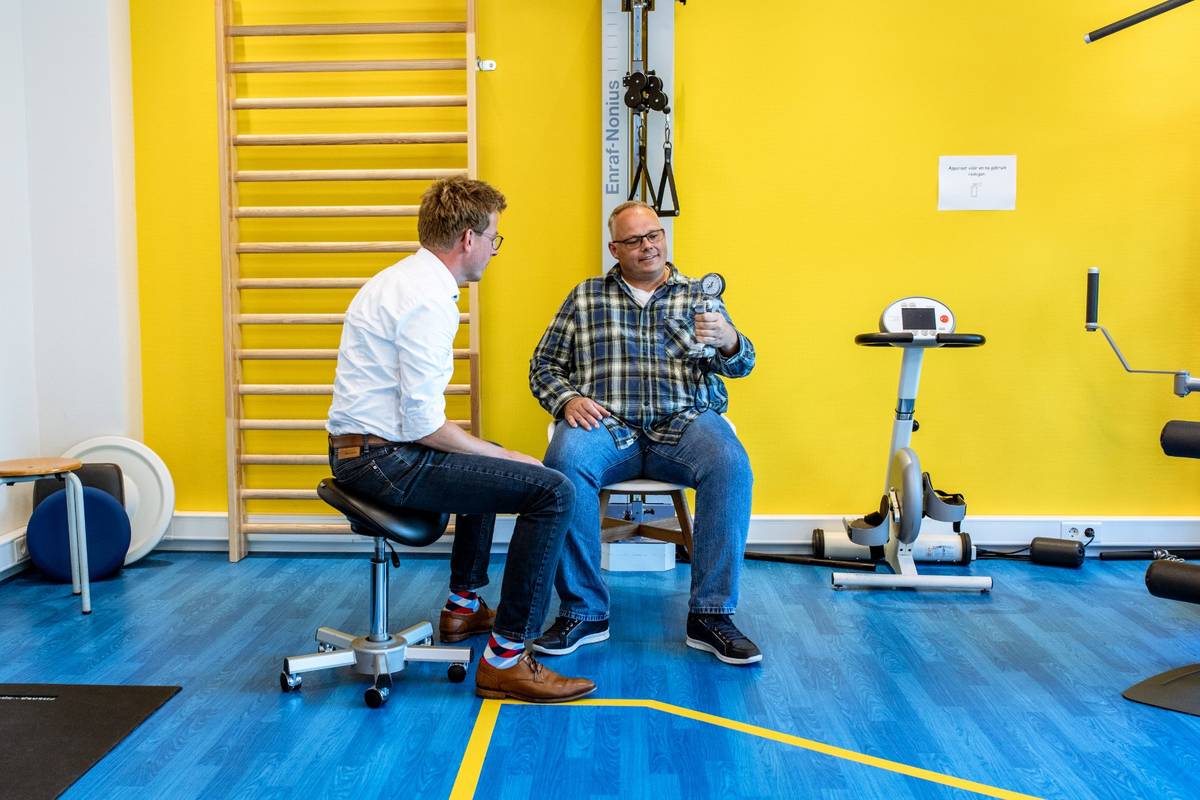
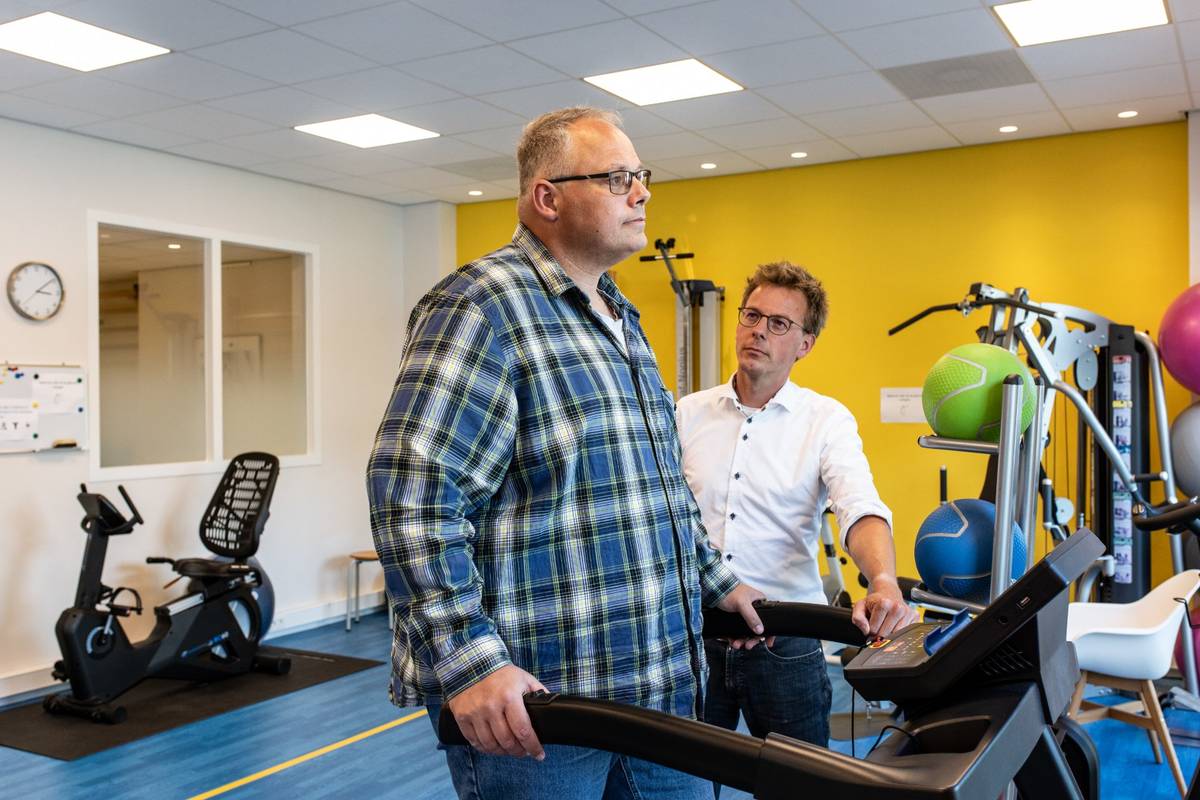
You receive between 2 and 5 sessions per week. Depending on your specific situation these take place at home or in our practice. Depending on the problems you are facing, treatment consists of (a combination of):
- Muscles: strength training
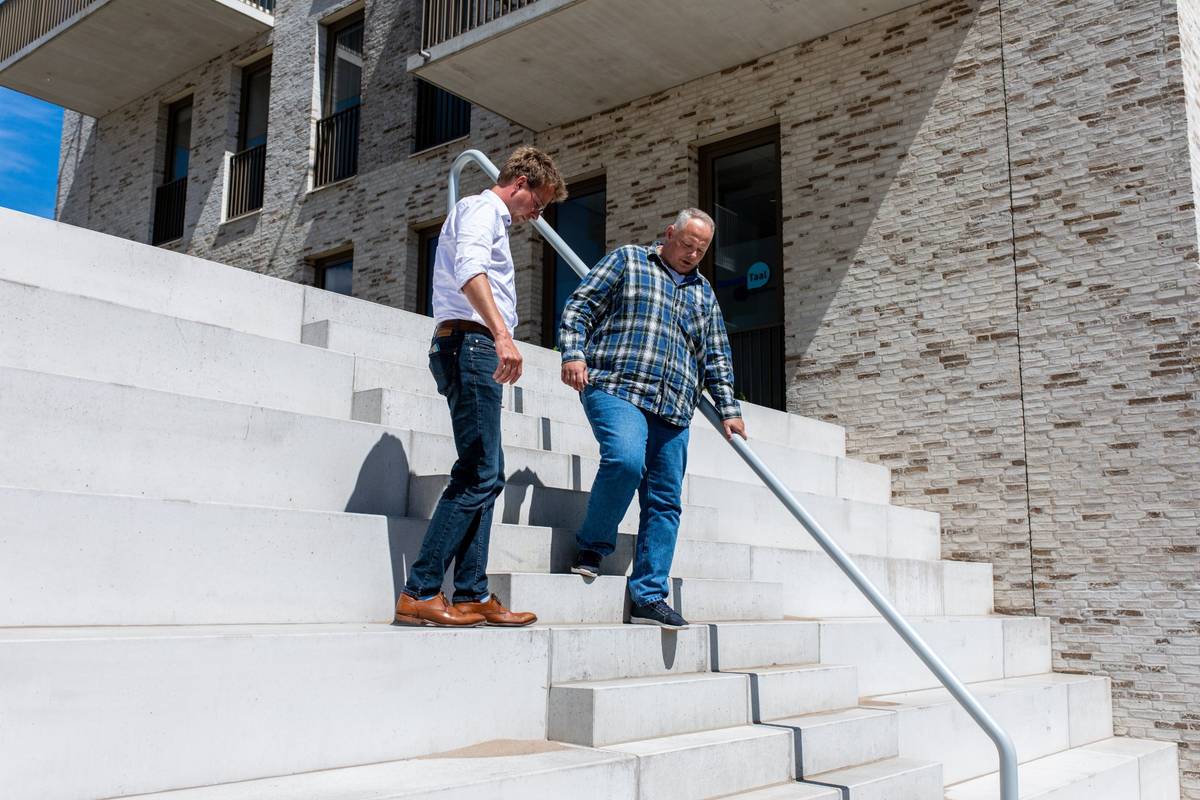
- ADL: functional and balance training
- Fitness: endurance training
- Respiratory muscles: respiratory muscle training
Physiotherapy without an ICU admission
Many people who get corona simply recover at home or are only briefly admitted to hospital for extra oxygen. Even without an ICU admission you can experience the physical complaints listed above. Physiotherapy treatment may then still be necessary.
REACH
Fysiotherapie Douma and Ergotherapie Gooi en Omstreken have been actively involved in the REACH network since its founding in 2018. REACH stands for REhabilitation After Critical illness and Hospital discharge — a research project run by Amsterdam UMC and the Hogeschool van Amsterdam. REACH is a regional network of primary and secondary care professionals involved in the rehabilitation of complex patients after hospital admission. Our physiotherapists and occupational therapists are trained and specialised in the complex problems patients face after an Intensive Care (ICU) admission.