

Pelvic Physiotherapy Hilversum
Pelvic physiotherapy focuses on improving the function of the muscles in and around the pelvis.
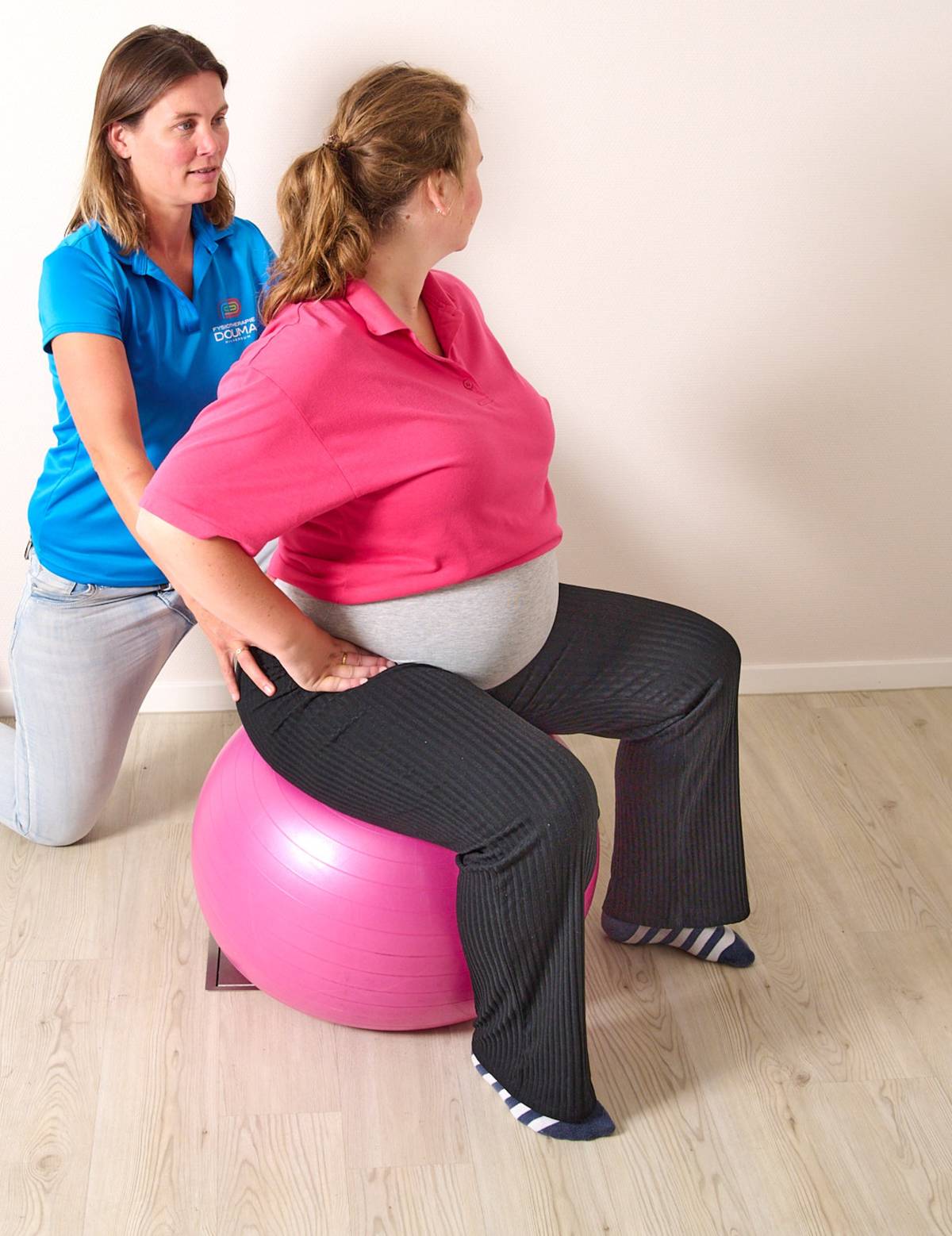
When is pelvic physiotherapy indicated?
Recognise any of these complaints? Book an appointment with our pelvic specialist so we can explore together how we can help.
- Urinary incontinence, frequent need to urinate
- Faecal or wind incontinence, urgency, or constipation
- Pain during intercourse
- Diastasis recti
- Pelvic floor pain
- For women: prolapse, pelvic pain around pregnancy
- For men: erection and ejaculation problems
- Orthostatic hypotension
More about pelvic physiotherapy
Pelvic physiotherapy focuses on improving the function of the muscles around the pelvis. These muscles play a key role in continence, sexual function and maintaining good posture. The pelvic physiotherapist helps you use these muscles effectively, sometimes with the support of biofeedback equipment.
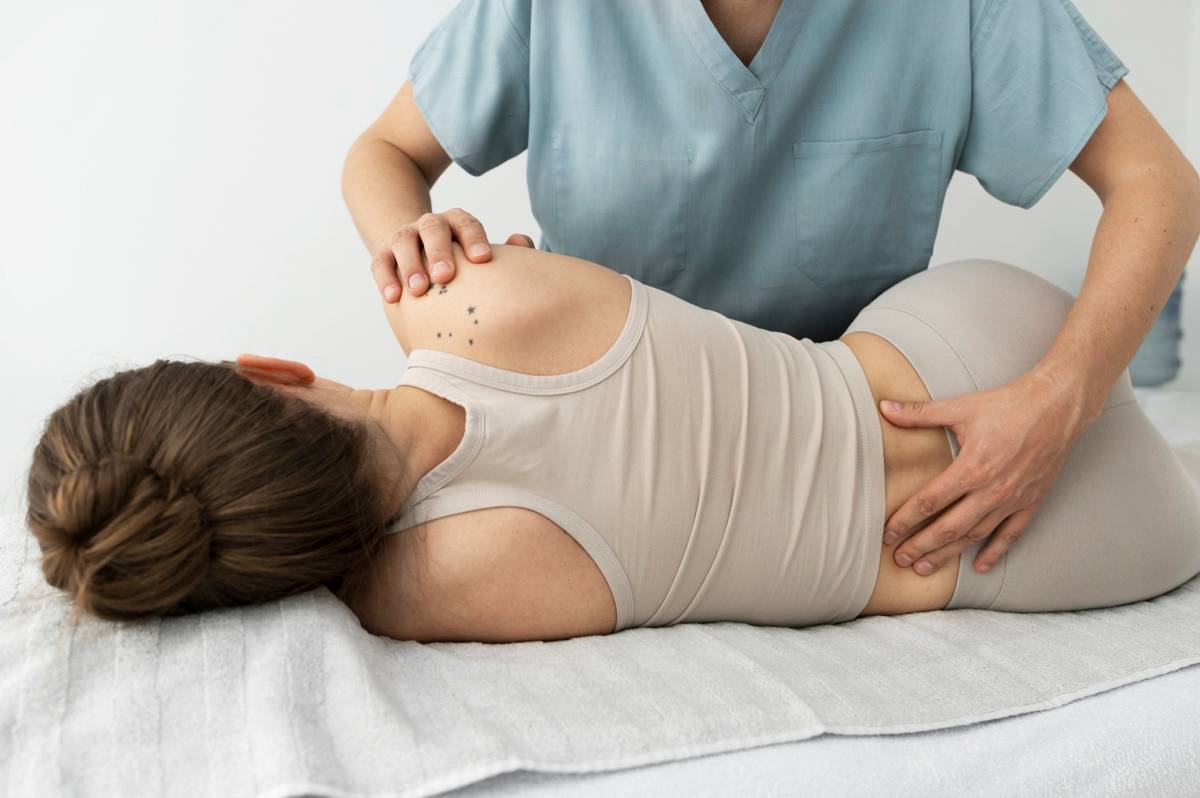
How Fysiotherapie Douma in Hilversum can help with pelvic complaints
Pelvic therapy intake
After an initial screening, the first appointment consists of two parts: a conversation and a physical examination. During the conversation, the pelvic physiotherapist asks about your complaints — for example how they started and when they get better or worse. A physical examination follows, in which posture and movement are assessed. This helps identify the likely causes of the complaints. If an internal examination is needed, this is planned in consultation with the patient for the second appointment. Together with the patient, the physiotherapist decides whether pelvic physiotherapy is appropriate. If so, an approach for further treatment is discussed. After the first appointment, you therefore know exactly what to expect.
The pelvic physiotherapist teaches the patient how to contract and relax the muscles in and around the pelvis at the right moments. This can be done through manual facilitation or with biofeedback equipment. The treatment also includes clear instructions, advice, guidance and insight into healthy movement.
Pelvic treatment
During the first session the pelvic physiotherapist takes a detailed history and performs a physical examination. Based on this, she gives a prognosis and then draws up a treatment plan together with you. Whether pelvic physiotherapy can resolve your complaint becomes clear during the first session and also depends on your own commitment.
Pelvic physiotherapy takes place in a dedicated treatment room, so in most cases not at the patient’s home. Good pelvic physiotherapy requires a specific treatment space and equipment. Only in very exceptional circumstances, at the explicit request of a GP or medical specialist, can this be different — and then only for a diagnostic consultation.
Frequently asked questions about pelvic physiotherapy
Have another question? We are happy to help!